Nine Bucks a Week: How I Stocked a Cart Full of Nutrition for the Price of a Takeout Order
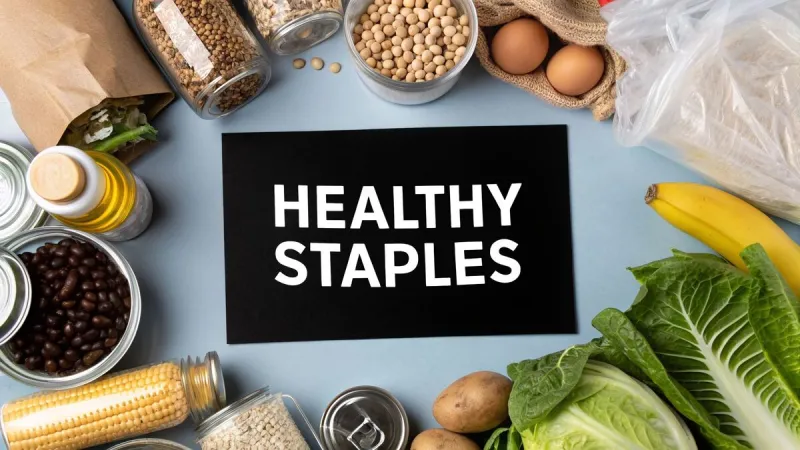
Photo: budget grocery cart healthy affordable food staples, via ai-mealplan.com
There's a stubborn myth floating around that healthy eating is a luxury hobby—something for people with Whole Foods budgets and time to meal-prep on Sundays. We wanted to put that idea to the test. So we grabbed thirty dollars, headed to a mainstream American grocery store, and challenged ourselves to build a cart packed with genuine nutrition.
The result? A cart full of staples that can anchor weeks of meals, cost less than a single delivery order, and deliver more protein, fiber, and micronutrients per dollar than almost anything in the center aisles.
The Cart, Priced Out
Here's the actual list, with approximate prices from major US chains like Walmart, Aldi, and Kroger:
- Rolled oats (42 oz canister) — about $4
- Dried brown lentils (1 lb bag) — about $2
- Canned pink salmon (two 6 oz cans) — about $5
- Canned black beans (two cans) — about $2
- Frozen blueberries (1 lb bag) — about $3.50
- Frozen spinach (16 oz bag) — about $2
- Eggs (one dozen) — about $3.50
- Peanut butter (16 oz jar) — about $2.50
- Brown rice (1 lb bag) — about $2
- Bananas (a bunch) — about $2
Total: roughly $28.50, with change left over.
Why These Foods Overdeliver
The trick to budget nutrition isn't finding secret superfoods—it's recognizing that some of the humblest items on the shelf are nutritional heavyweights.
Canned salmon might be the best-kept secret in the seafood aisle. It delivers omega-3 fatty acids, high-quality protein, and (thanks to the soft bones) a solid dose of calcium. It's shelf-stable, so it won't die in the back of your fridge like that tilapia you forgot about.
Lentils are arguably the best protein-per-dollar deal in the entire store. One cup cooked gives you around 18 grams of protein and 15 grams of fiber, plus iron and folate. They cook in 25 minutes with zero soaking—no overnight planning required.
Frozen berries get picked at peak ripeness and flash-frozen within hours, which locks in their anthocyanins and vitamin C. Nutritionally, they hold their own against fresh—and they cost half as much in January.
Oats contain beta-glucan, a soluble fiber that's been shown to support healthy cholesterol levels. A big canister makes dozens of breakfasts for pennies a serving.
Building Meals, Not Just Buying Ingredients
A cart of staples only helps if it turns into dinner. Here's how these items stack into real meals:
Breakfast rotation: Overnight oats with frozen blueberries and peanut butter stirred in, or scrambled eggs with a handful of spinach wilted into the pan.
Lunches: A lentil and rice bowl with whatever seasoning you have on hand—cumin and garlic powder turn it into something that tastes intentional. Canned salmon mashed with a spoon of peanut butter's jarred cousin (mustard) makes a fast salad topper.
Dinners: Black beans and rice with sautéed frozen spinach; salmon patties (salmon, an egg, oats as the binder—seriously, it works) pan-fried in five minutes.
The through-line is flexibility. These ten items can combine into at least fifteen distinct meals before anything tastes repetitive.
Three Rules for Shopping Healthy on a Budget
-
Buy the freezer and the can, not the display. Frozen and canned versions of produce and fish are picked at peak quality and often cheaper than their fresh counterparts. The nutrition holds up.
-
Shop the unit price, not the sticker price. The bigger bag of oats looks pricier until you realize it costs a third as much per serving. Shelf tags list unit prices for exactly this reason.
-
Build around a protein anchor. Pick one affordable protein—eggs, lentils, canned fish, beans—and plan two or three meals around it before adding anything else to the cart. Impulse buys are where budgets go to die.
Pairing Smart Groceries With Smart Habits
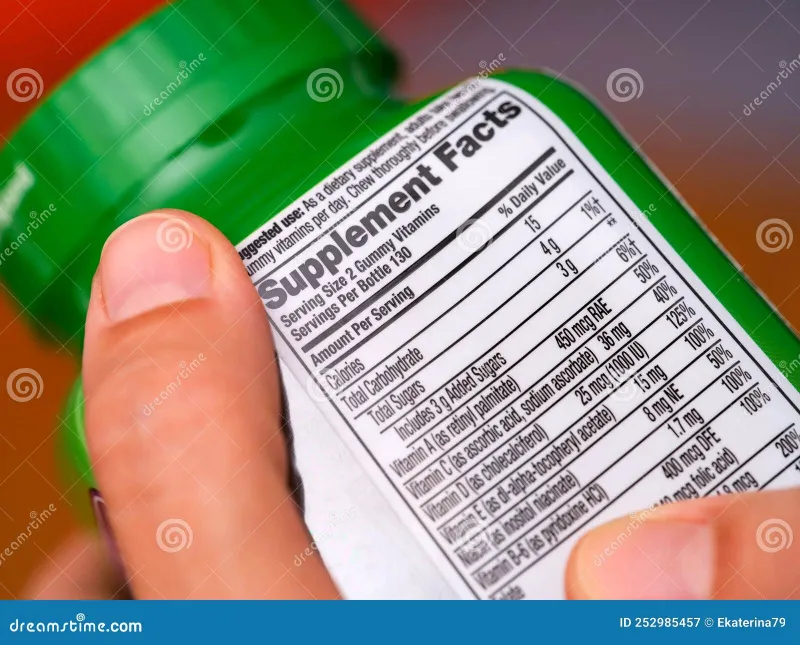
A budget-friendly cart is one piece of the wellness puzzle. The other piece is consistency—and that's where a lot of us wobble. If your meals are on point but your energy still sags, it might be worth looking at what your routine is missing overall: sleep, movement, and yes, targeted supplementation to fill gaps that even a great diet can leave behind.
The good news is that eating well on thirty dollars proves something bigger: wellness isn't reserved for people with premium budgets. It's built from small, repeatable choices—most of which are sitting on the shelf at eye level, quietly waiting for you to flip them over and read the label.
Your next grocery run doesn't need to be a transformation. Just add one or two of these heavy hitters to the cart and see how far they take you. Chances are, you'll be back for the rest of the list.