Tacos, Pasta, and Burgers Can Stay: Nine Lazy Genius Swaps for the Meals You Already Make
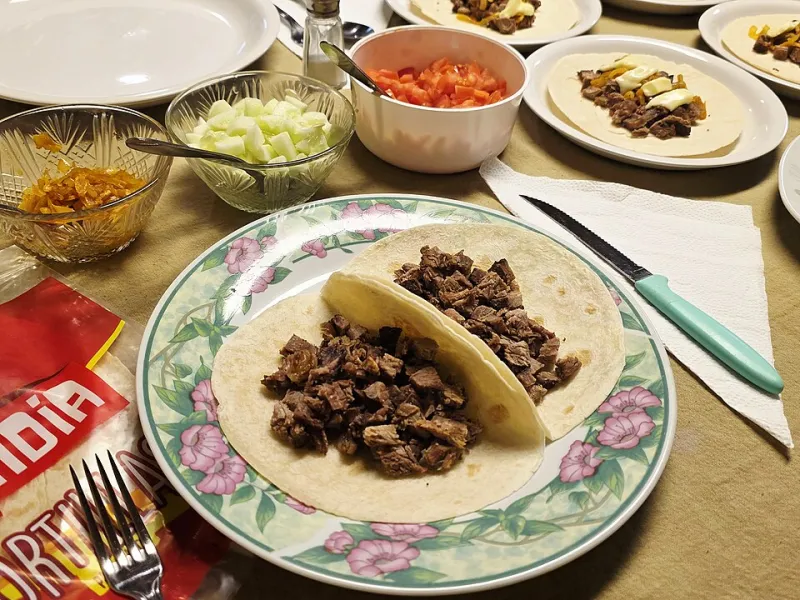
Photo: Horacio Cambeiro, CC BY-SA 3.0, via Wikimedia Commons
Real talk: most nutrition advice fails because it asks you to become a different person. Love tacos? Here's a cauliflower crust. Obsessed with your grandma's chicken casserole? Have you tried lentils?
Hard pass. The smarter move is meeting your meals where they are. Small, almost invisible upgrades to the food you already cook can genuinely shift your family's nutrition over a month, a year, a decade. Here's the game plan, meal by meal.
Taco Night: The Easiest Win in Your Week
Tacos are secretly one of the most upgrade-friendly meals in American kitchens.
- Bulk up the beef. Mix half ground beef with half finely chopped mushrooms or a can of drained lentils. Same taco seasoning, same texture, roughly half the saturated fat, and nobody at the table will clock it.
- Go bean-forward. Even if you keep the meat, adding a can of black or pinto beans stretches the filling and doubles the fiber.
- Rethink the shell. Corn tortillas over flour gives you whole grain points. Or do a taco bowl over cilantro-lime brown rice and skip the shell debate entirely.
- The topping bar is your friend. Shredded cabbage instead of (or alongside) lettuce, a scoop of pico de gallo, and Greek yogurt standing in for sour cream. Every topping is a chance to sneak in something good.
Pasta Night Without the Guilt Spiral
You don't need to break up with spaghetti. You just need to engineer the plate better.
- Flip the ratio. Traditional American pasta night is 80% noodles, 20% everything else. Aim for half noodles, half vegetables — sautéed zucchini, spinach, or bell peppers wilt right into marinara undetected.
- Blend your noodles. Half regular, half whole wheat or chickpea pasta gets you fiber and protein without a texture revolution.
- Doctor the sauce. Jarred marinara is fine. Stir in extra garlic, a grated carrot (it melts into sweetness), and a handful of spinach, and it's suddenly doing more work.
- Watch the pour. A standard serving of pasta is one cup cooked — most of us plate up three. Portion the pasta, load the veg, and add a lean protein like white meat chicken or white beans.
Burger Night, But Make It Earn Its Keep
The all-American burger doesn't have to be a nutritional dead zone.
- The 90/10 swap. Ground beef at 90/10 instead of 80/20 cuts fat meaningfully with almost no flavor penalty — especially if you season well.
- Go halfsies. Mixing ground beef with ground turkey or even finely chopped onions and oats lightens the patty and keeps it juicy.
- Bun business. Whole wheat buns, brioche-light options, or the classic "protein style" lettuce wrap all work. Even just going open-face on thick-cut sourdough saves refined carbs.
- Upgrade the sides. Swap half the fries for a bagged salad or air-fried broccoli. If that feels radical, do oven fries tossed in olive oil at home — same crunch, better oil.
Sunday Casserole: Comfort Food, Slightly Reengineered
Ah, the cream-of-mushroom casserole — a beloved institution from church potlucks to Thanksgiving leftovers. Respect the institution. Upgrade the ingredients.
- DIY the cream soup. Whisk together sautéed mushrooms, a little butter, flour, and milk or broth. You skip the sodium bomb and the mystery ingredients in the can.
- Add a veggie layer. Frozen chopped broccoli, peas, or diced carrots disappear into a cheesy casserole beautifully.
- Lighten the crunch. If it's a French-fried onion situation, use half the can and bulk the topping with crushed whole-grain crackers or toasted almonds.
- Right-size the cheese. Sharp cheddar means you can use less and still taste it. Strong flavor does the work of volume.
The Gaps Even Great Home Cooking Leaves
Here's the honest truth we remind folks about all the time at ForMor: even a well-run kitchen has blind spots. Most Americans fall short on omega-3s, vitamin D, and magnesium — nutrients that are genuinely hard to hit through food alone, especially if your household has picky eaters or dietary restrictions.
That's where a sensible supplement routine earns its place. Not as a replacement for dinner-table upgrades, but as a backstop:
- Omega-3 fish oil if salmon isn't a weekly guest at your table
- Vitamin D, particularly through long winters or for anyone who works indoors
- A quality multivitamin as insurance on the weeks when pizza night happens twice (we've all been there)
Think of it like this: the meal swaps are the foundation, and supplements are the safety net underneath. Neither works as well without the other.
Start With One Meal, Not All Four
Don't overhaul everything this week. Pick the meal your family eats most often — for most households, that's taco or pasta night — and make one swap. Then add another next week. By the time baseball season rolls around, you'll have quietly rebuilt your family's favorite dinners into meals that pull their weight.
No lecture required. No flavor sacrificed. Just dinner, doing a little more for you than it used to.