A Small Shelf for Messy Weeks: Winter Wellness Without the Panic Cart
Photo: Federal Bureau of Investigation, Public domain, via Wikimedia Commons
By mid-November, the seasonal aisle starts doing what it always does: getting loud. Flu-season displays, travel-size everything, and a low hum of urgency that makes a person want to buy twelve boxes of something and call it preparedness. Most of us swing between two extremes. Either we have nothing but a lonely thermometer and a bottle of mystery pills from 2019, or we panic-bought a mountain of packets that now live behind the vacuum cleaner.
There is a calmer middle. Think of it as a small shelf for messy weeks—not a bunker, not a pharmacy, just a modest, rotating set of supplies for the disruptions that actually show up in a US household between November and March: a cold that knocks out the family for a week, a flight that gets cancelled, a nor'easter that turns the power off for a day. The goal is not to be ready for everything. The goal is to be less annoyed by the predictable stuff.
Start With a Cap, Not a Cart
Pick a number before you shop. For most households, $75 to $100 is plenty for a starter shelf. That is not a dare to spend it all at once. It is a ceiling that keeps you from buying a lifetime supply of immune gummies because the news was grim.
Then set a restock budget: $10 to $15 per quarter. That is enough to replace what you used and maybe add one small thing. The shelf should feel boring. Boring is the point. A good wellness shelf is not a hobby. It is a household utility, like a spare phone charger or a roll of duct tape.
The Four-Zone Shelf
You do not need a dedicated pantry. One clear bin on a shelf—or two small bins if you have the room—works fine. Divide it into four loose zones.
Hydrate and comfort. Electrolyte packets, a few shelf-stable broths or soups, honey, ginger tea bags, and a couple of easy-to-eat snacks. This is for the days when someone is sick, traveling, or simply too tired to cook. Keep the electrolyte packets in a small pouch so they do not migrate to the back of the cabinet.
Soothe the basics. Saline nasal spray, throat lozenges, a working thermometer, and a small bottle of fever reducer or pain reliever you actually tolerate. Check with a pharmacist if you are unsure what fits your household. This zone is not about treating the flu. It is about making a rough day slightly less rough.
Cover the small emergencies. A flashlight, extra batteries, a manual can opener, and a few bandages. These are not glamorous, but they earn their space during a power outage. Keep them separate from food so you are not digging through soup cans in the dark.
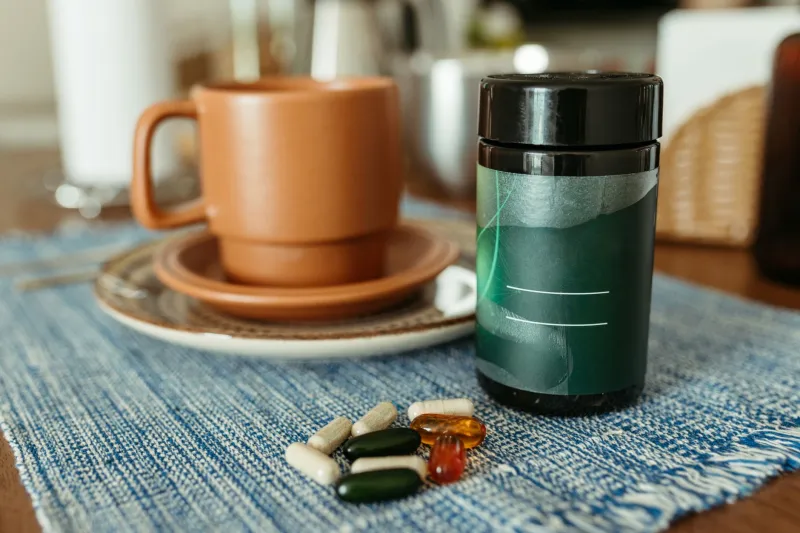
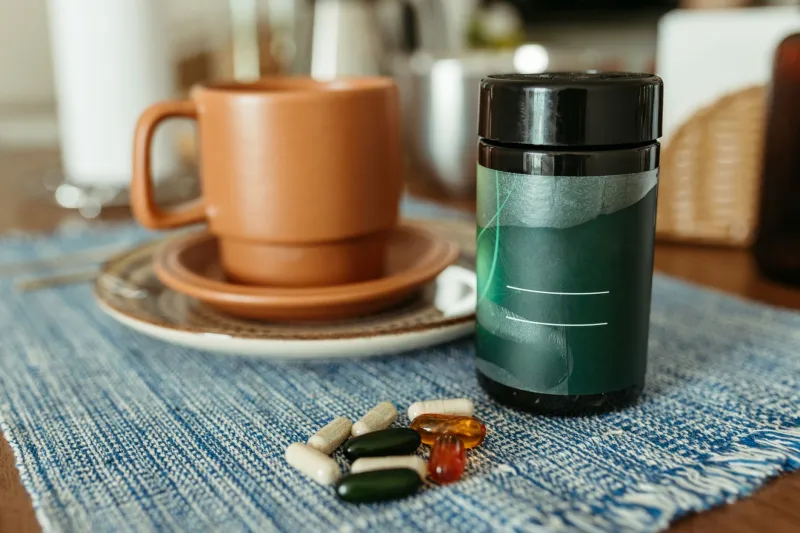
Supplements—small and specific. This is where restraint matters most. A multivitamin, vitamin D, and perhaps a fiber or protein option if those already fit your routine. If you use zinc or vitamin C lozenges, keep one small package, not five. Supplements are not the main event. They are a side dish.
The Expiration Rhythm
The difference between a useful shelf and a sad collection of expired packets is a calendar reminder. Pick four dates a year—the first Sunday in January, April, July, and October works well. Spend fifteen minutes doing three things:
- Pull everything out and check dates. Toss anything expired or unlabeled. Do not debate it.
- Move the oldest items to the front. New purchases go behind. First in, first out, like a tiny grocery store.
- Write down what you actually used. If you never touch the ginger tea, stop buying ginger tea.
This quarterly check also catches the quiet problems: a thermometer with a dead battery, a leaking bottle of saline, a supplement bottle that got pushed behind the oatmeal. Fifteen minutes, four times a year. That is the whole system.
What a Bottle Can and Can't Do
Here is the plain version. Supplements can help fill gaps in a diet. They can support normal immune function, hydration, and general nutrition. They cannot cure the flu, replace a vaccine, replace sleep, or substitute for medical care. They will not keep a power outage from happening or make a cancelled flight rebook itself.
If someone in your house is high-risk—older adults, young children, pregnant people, anyone with a chronic condition—talk to a clinician before adding new supplements. Read labels. Watch for interactions with prescription medications. And skip the megadoses. More is not better; it is just more expensive and sometimes harder on your body.
At ForMor International, we are in the supplement business, so it is worth saying plainly: a bottle is a supporting player. The lead actors are sleep, food, movement, handwashing, and sensible medical care. A wellness shelf should support those habits, not distract from them.
Build It Once, Then Mostly Leave It Alone
The best thing about a small rotating shelf is that it stops the cycle of panic buying. You know what you have. You know where it is. You know it is not expired. When a cold hits or the weather turns ugly, you are not scrolling through same-day delivery at midnight. You are just reaching for the bin.
Start this weekend with one clear container and a $75 cap. Fill the four zones loosely. Put the quarterly check on your phone. Then go back to your life. The shelf is there for the messy weeks—quiet, small, and ready.