The Consumable Gift: Building a Wellness Basket People Actually Finish

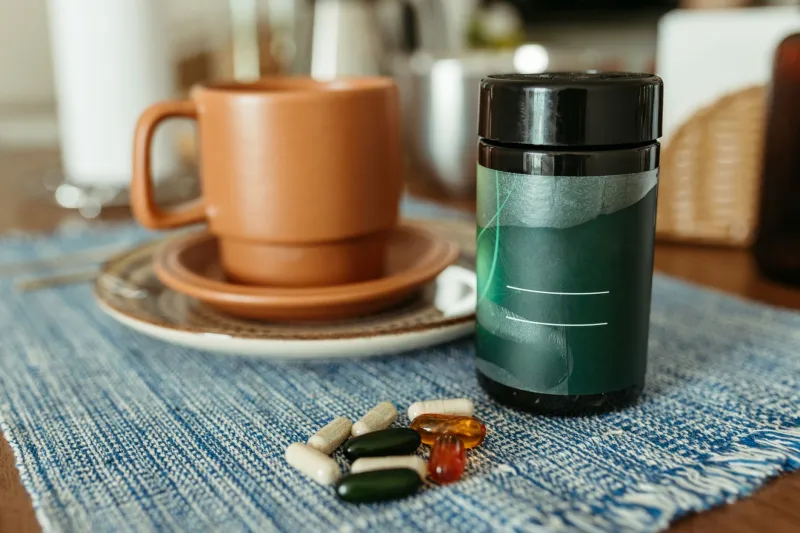
Photo by Photo by Cabri Caldwell on Unsplash on Unsplash
Gift baskets have a reputation problem. Too often they are a pile of nice ideas wrapped in cellophane: a candle nobody lights, a tiny jar of jam, and a supplement bottle that expires before the ribbon comes off. The wellness version can be even trickier. Add the word “wellness” and people start bracing for a lecture, a sales pitch, or a powder that tastes like lawn clippings.
It does not have to be that way. A good wellness basket is not a display of enthusiasm. It is a small, useful care package. The goal is simple: give people something they will actually consume, enjoy, and maybe even replace on their own next month. Here is how to build one without the dust.
Start With the Finish Line
Before you buy a single item, ask one question: what does “done” look like? For a gift basket, done means empty packaging in the recycling bin by February. That rules out decorative clutter and pushes you toward consumables: tea, snacks, bath items, supplements, and practical kitchen helpers.
A useful rule is the three-part basket. Pick one thing to eat or drink, one thing to use, and one thing to learn from. The first two make the gift feel generous. The third keeps it from becoming a random snack bag. A small card with a simple recipe, a note about when to take a supplement, or a QR code to a calm five-minute stretching video can do more than another scented sachet.
Three Budget Tiers That Do Not Look Cheap
You do not need a big spend to make a basket feel intentional. The trick is proportion and presentation, not price.
The $25 “Small but Solid” Basket
This is the office gift exchange sweet spot. Choose a good box of herbal tea, a bag of roasted almonds or pumpkin seeds, and a single nice lip balm or hand cream. Add a handwritten tag with one line: “For your 3 p.m. slump.” That is it. The basket feels personal because it solves a tiny real problem.
The $50 “Weekend Reset” Basket
Here you can add a little more utility. Think a small bottle of magnesium or a multivitamin, a packet of electrolyte mix, a sleep mask, and a couple of instant oatmeal packs or protein bars. Skip the giant wicker basket that costs as much as the contents. A simple reusable tote or a shallow wooden tray is cheaper and more likely to stay in use.
The $100 “New Year, Not New You” Basket
This tier works for a partner, parent, or close friend. Build around a routine rather than a pile. A water bottle, a fiber supplement, a jar of good olive oil, a bag of frozen fruit for smoothies, and a note about one small habit to try in January. The message is not “fix yourself.” It is “here is some support for the stuff you already do.”
Read Labels Like You Are Buying for Yourself
Wellness gifts live or die on label details. If you would not buy it for your own kitchen, do not put it in a basket.
Start with the serving size. A bottle that says 30 servings is a month of use. A bottle that says 2 servings is a sample, not a gift. Check the expiration date, especially on clearance items. Look for third-party testing seals when you can find them, and be wary of labels that make dramatic promises. Supplements are not medicine, and a gift basket is not a treatment plan.
For food items, scan the first three ingredients. If the list reads like a chemistry experiment and the product is supposed to be simple, keep walking. For supplements, avoid mystery blends when possible. A clear label with amounts listed is easier to trust than a fancy bottle with vague language.
One more label note: allergens. A basket full of nuts and dairy is a lovely gesture until it lands on the wrong desk. If you do not know the recipient well, include a small card listing what is inside.
Match the Basket to the Person
A wellness basket is not one-size-fits-all. The skeptic needs a different approach than the superfan.
For the skeptic, skip supplements entirely. Build around tea, dark chocolate, a good water bottle, and a funny card. The message should be “no homework required.” For the wellness superfan, go specific: a new flavor of electrolyte powder, a tried-and-true fish oil, a pretty pill organizer, or a bag of chia seeds they will actually use. For the busy parent, choose grab-and-go items: protein bars, instant oatmeal, and a small bottle of hand sanitizer that does not smell like a hospital. For the retiree, think easy-open packaging, large-print labels, and practical items like a pill splitter or a cozy throw. For the coworker you barely know, keep it edible and simple.
At ForMor International, we spend a lot of time talking about nutrition, but the best gift is not always a bottle. Sometimes it is a bag of good trail mix and the permission to take a nap.
For Distributors: Give Like a Human, Not a Funnel
If you are a ForMor distributor, the holiday season can feel like a tightrope. You want to share what you do. You also do not want your cousin to avoid eye contact at Thanksgiving.
The cleanest approach is to separate gifting from business. If you give a wellness basket to family, give it as a gift, not a lead. Do not tuck a catalog into the bottom. Do not follow up with a “just checking in” text about the business opportunity. If someone asks what you do, answer honestly and briefly. Then let it go.
If you want to include your products, choose one or two items you genuinely use and can explain in a sentence. A basket with five different bottles looks like a sample kit. A basket with one thoughtful supplement, a snack, and a handwritten note looks like a gift. The difference matters.
And if you are building baskets for customers, keep the same rule: useful first, branded second. A small packet of information is fine. A full sales binder is not.
The Wrap-Up
A wellness gift basket does not need to be fancy. It needs to be finished. Choose consumables, respect the budget, read the label, and match the gift to the person. Skip the pressure and the clutter. The best holiday gift is not the one that looks most impressive on the table. It is the one that gets used on a random Tuesday in January, when someone reaches for the tea, the snack, or the little bottle that actually helps them get through the day.
That is a wellness gift worth giving.