The One-Page Supplement Sheet: What to Bring to a Checkup (and What to Leave Out)
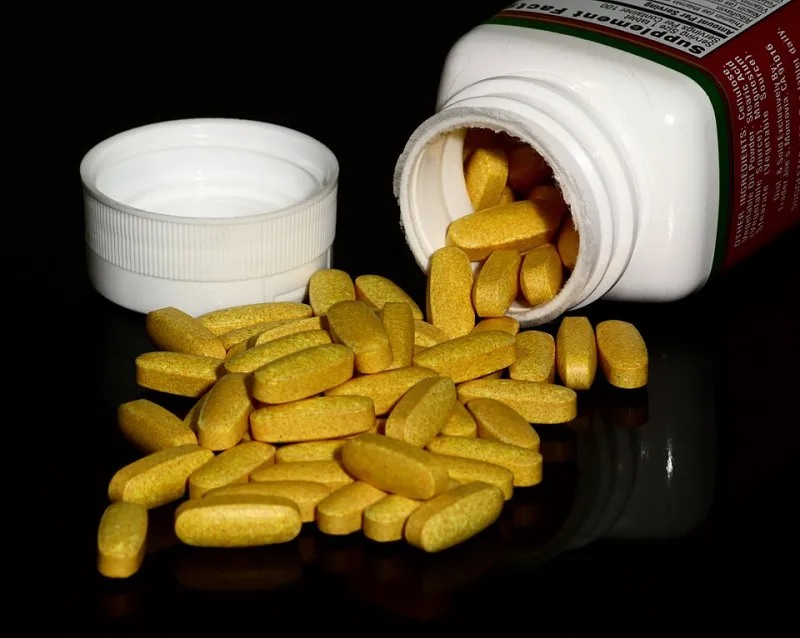
Photo: Ragesoss, CC BY-SA 3.0, via Wikimedia Commons
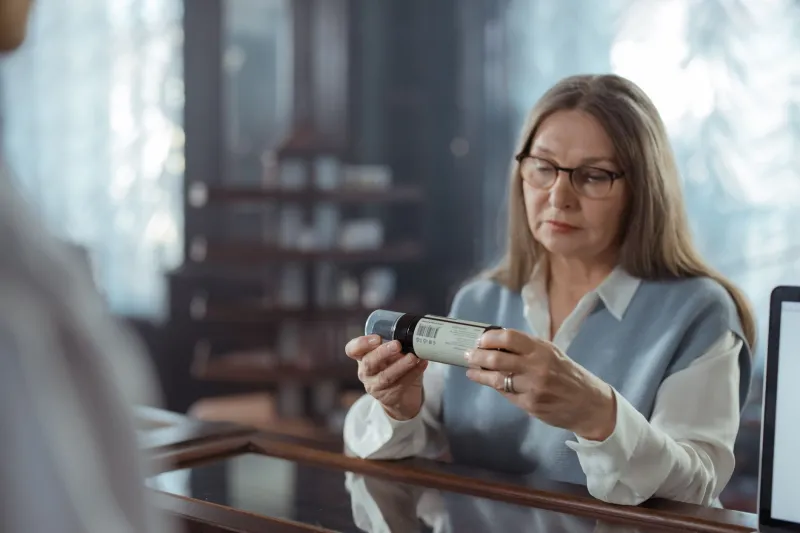
Your doctor asks, 'Are you taking any supplements?' and your mind goes blank. You know there are bottles at home, but which ones? How much? When? You mumble something about a multivitamin and hope the moment passes. It does not have to be that way. A one-page supplement list turns a foggy question into a useful conversation—and it takes less time to build than a pharmacy run.
This is not about selling your clinician on a product. It is about giving them the information they need to check interactions, spot duplicates, and help you make safer choices. Whether your shelf holds ForMor products or drugstore brands, the list is the same. Keep it simple, honest, and current.
Why a List Beats a Memory Test
Clinicians have a short window with you. They are juggling prescriptions, lab results, and a dozen questions. If you say 'a few vitamins,' they cannot check for interactions or overlap. If you hand them a clear list, they can scan it in seconds. You are not being high-maintenance. You are being a good partner in your own care.
The One-Page Template
Use a single sheet of paper or a note on your phone. Five columns are enough:
| Product and brand | Dose | Timing | Reason for use | Notes |
|---|---|---|---|---|
| Vitamin D3 | 2,000 IU | Breakfast | Winter levels; doctor asked me to check | Last lab in October |
| Magnesium glycinate | 200 mg | Evening | Sleep routine | Sometimes skip |
| Fiber powder | 1 scoop | Afternoon | Digestion support | Mix in water |
| Fish oil | 1,000 mg | Lunch | General nutrition | Burp issue—ask about form |
Add a sixth column if you need it: who recommended it. That could be you, a pharmacist, a dietitian, or a friend. Honesty about the source helps the clinician understand your context. If you do not know the dose, write 'unknown' and bring the bottle. Do not guess.
What Counts as a Supplement
The word supplement covers more than a multivitamin. Include vitamins, minerals, herbs, amino acids, protein powders, fiber, probiotics, fish oil, and sleep or energy products. If you take a daily greens powder, list it. If you use a CBD product, list it. If you drink two energy drinks every morning, mention the caffeine. The goal is the full picture, not a perfect label.
How to Raise It Without Turning the Visit Into a Pitch
The best script is short: 'I brought a list of what I take. I am not sure which ones matter, and I would like to check for interactions with my prescriptions.' That sentence does three things. It shows preparation, it avoids overclaiming, and it invites the clinician to guide you.
Avoid saying 'This cured my fatigue' or 'My distributor says it fixes everything.' Even if you feel strongly, keep the conversation about what you take, how much, and why. If you want to ask about a specific product, ask a specific question: 'Is there any reason to avoid this with my blood pressure medication?' That is far more useful than a general pitch.
What to Leave Off the List
Leave off marketing language. Leave off claims you copied from a label or a social post. Leave off the product you took once in July and never touched again, unless the clinician asks about occasional use. Do include anything you take regularly, even if it is 'natural.' Natural does not mean interaction-free.
The Day-Before Checklist
- Update the list with any new products.
- Take a photo of each label, especially if the dose is unclear.
- Put all bottles in a bag if you can. If not, bring photos.
- Write down two questions you want to ask.
- Check the pharmacy list so the clinician sees your prescriptions too.
Questions Worth Asking
Ask about interactions with your prescriptions, timing, and whether any lab tests are affected. Ask if you should stop anything before surgery. Ask if a lower dose makes sense. Ask whether a supplement is worth the money for your situation. These are practical questions, not challenges.
After the Visit
Update your list with anything the clinician said. If they asked you to stop something, note the date. If they asked for a lab test, put it on your calendar. A supplement list is not a one-time school project. It is a living document that gets better as you learn.
This is general information, not medical advice. Your clinician knows your history, prescriptions, and labs. The list is simply a tool to make that conversation clearer. Bring it, use it, and leave the visit with fewer loose ends.