The House Is Quiet—Now What? Turning an Empty Nest Into Your Healthiest Chapter Yet
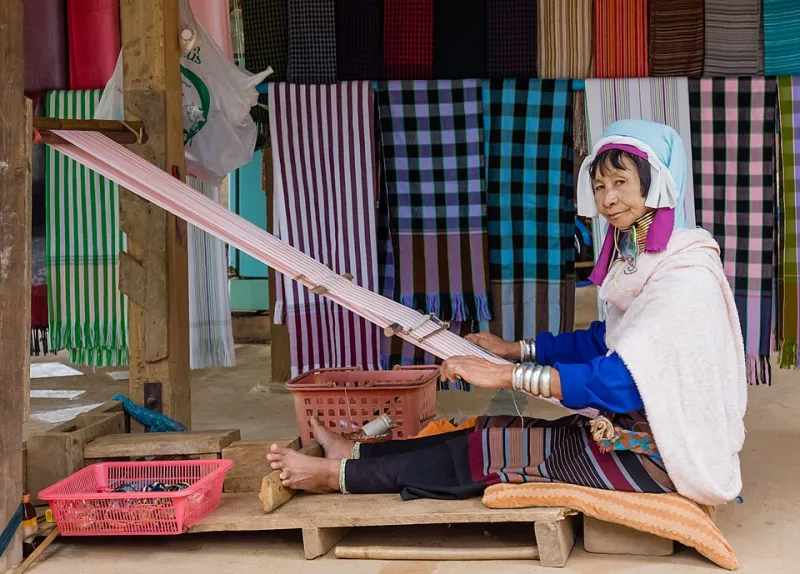
Photo: Shixart1985, CC BY 2.0, via Wikimedia Commons
Nobody warns you about the sound. After eighteen-plus years of slammed doors, dinner-table debates, and a fridge that never stayed stocked, the house goes quiet—almost overnight. For millions of American parents, the empty nest arrives with a strange cocktail of emotions: pride, grief, freedom, and a nagging question that shows up around week three.
Okay. Now what?
Here's the reframe worth sitting with: the empty nest isn't an ending. It's the first time in decades you've had uninterrupted room to invest in yourself. And how you spend that investment might shape the next thirty years more than anything that came before it.
Why the Empty Nest Hits Your Health (Both Ways)
The research on this transition is genuinely mixed, and that's actually encouraging. Yes, some studies link the transition to temporary dips in mood and purpose—especially for parents whose identities were heavily wrapped up in caregiving. But other research shows empty nesters exercise more, sleep better, and report lower day-to-day stress once the logistics of raising teens fall away.
The difference between the two outcomes? Intention. Parents who drift into the transition tend to struggle. Parents who treat it as a reset tend to thrive.
Step One: Rebuild Your Routine Around You
For years, your schedule revolved around carpools, practices, and somebody else's appetite. Now the schedule is yours—and structure still matters, even without the chauffeur duties.
Start with three anchors:
- A morning ritual that isn't reactive. A walk before you check your phone. A real breakfast instead of coffee over the sink. A few minutes of stretching or journaling. Small, but it sets the tone for everything else.
- Movement with a social component. A pickleball league, a hiking group, a yoga class at the local rec center. Midlife fitness sticks far better when it doubles as community.
- A wind-down that belongs to you. Without a teenager's schedule dictating dinner at 9 p.m., you can finally protect your sleep. Use it.
Step Two: Fill the Purpose Gap (Not Just the Calendar)
Here's what surprises a lot of people: it's not busyness they miss. It's being needed. Grocery runs and homework help were chores, sure—but they were also proof that you mattered to someone's daily survival.
The fix isn't finding people who need you to drive them places. It's finding work and connection that feel meaningful. For some, that's volunteering or mentoring. For a growing number of midlife Americans, it's building something of their own—often in a space they already care about.
Step Three: Consider a Second-Act Opportunity
There's a reason so many empty nesters gravitate toward flexible, purpose-driven work. You finally have the time, the life experience, and the perspective to run with something—but you may not want a 40-hour-a-week boss again.
That's a big part of why wellness-focused network marketing resonates with this stage of life. The products are things you're likely already using and believe in—supplements, nutrition, everyday health—and the business model rewards exactly what empty nesters bring to the table: genuine relationships, patience, and a lifetime of knowing how to talk to people.
A few honest questions to ask yourself:
- Do I already share health tips with friends who take my advice?
- Would a flexible income stream that grows on my schedule fit this season of life?
- Do I want my social circle to expand over the next decade, not shrink?
If the answers lean yes, a wellness side business can be more than income—it can be structure, community, and a reason to keep learning. The key is choosing a company with real products, real support, and a track record, not a hype machine.
The Mindset Shift That Ties It Together
Here's the thread running through all of it: the habits that make a great empty nest are the same ones that make a great life at any stage—move daily, eat like you plan on being here a while, protect your sleep, and stay connected to people and purpose.
The kids took their backpacks and their noise. What they left behind is something rare: space. Space to get stronger, sharper, and more engaged than you've been in years.
The house is quiet. Fill it with something that's yours.